

Dental Bone Grafting in Valdosta, GA
Rebuild Bone. Restore Confidence. Prepare for Lasting Dental Function.
At Valdosta Family Dentistry, we provide advanced dental bone grafting in Valdosta, GA, a foundational procedure that restores jawbone health, preserves facial structure, and creates a stable base for dental implants, bridges, or future restorative work.
Whether you’re preparing for replacement teeth or addressing bone loss due to periodontal disease or prior extractions, our experienced team combines clinical precision with patient-first care.
Call (229) 333-8484 to schedule your consult.
What Is Dental Bone Grafting?
Bone grafting is a surgical procedure that places bone material into areas where the natural jawbone has diminished or is insufficient, enabling:
- Bone volume restoration
- Support for dental implants
- Improved long-term oral stability
Bone loss most often occurs due to missing teeth, periodontal disease, trauma, or prolonged tooth absence. A graft acts like a “scaffold,” encouraging your body to build new bone around it.

Need To Schedule OR Have A Question?
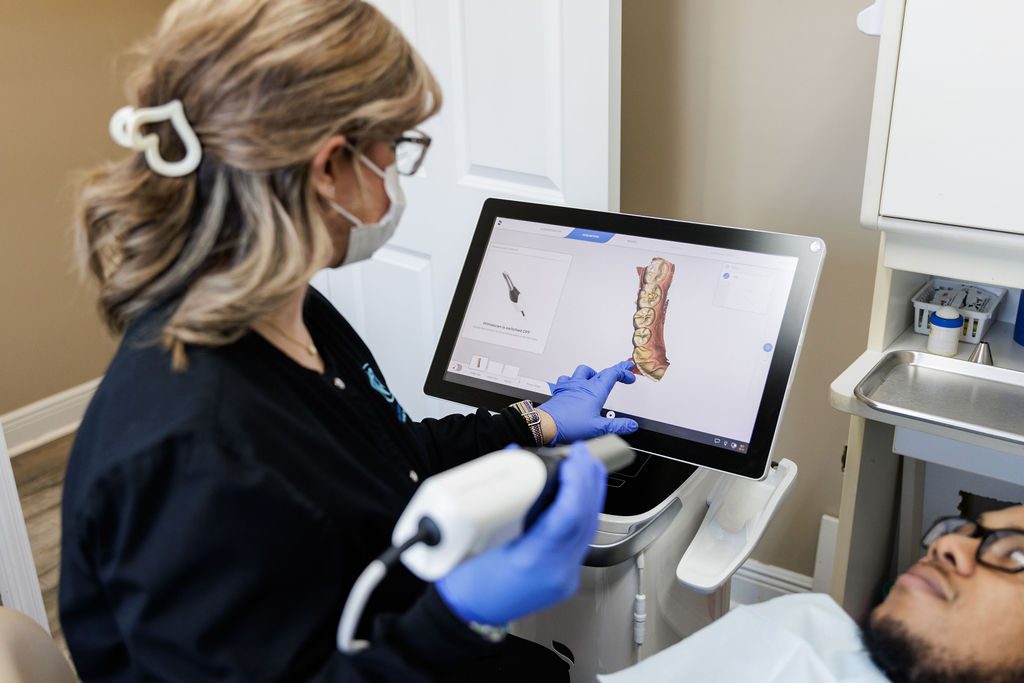
Why Bone Graft Matters Before Dental Implants
A dental implant behaves like a natural tooth root and like a real root, it needs bone to support it.
When Bone Grafting Is Recommended
- Insufficient bone height or width
- Implants would otherwise lack stability
- Sinus proximity threatens structural support
- Bone recession from periodontal disease
- Long-term missing teeth without replacement
Without adequate bone, implants can fail prematurely, leading to discomfort, shifting restorations, or unsatisfactory results.
Types of Bone Grafts We Offer
- Autografts: Bone taken from your own body, typically the chin or jaw, offering the highest biological compatibility.
- Allografts: Bone sourced from a human donor (processed and sterilized), ideal when autograft harvest is unnecessary.
- Xenografts: Bone from animal (commonly bovine) origin that acts as a long-lasting scaffold.
- Alloplasts: Synthetic bone substitutes engineered to support new bone growth.
How Dental Bone Grafting Works (Step by Step)
1. Diagnostic Imaging
- 3D cone beam imaging or panoramic X-rays
- Precise measurement of bone volume and anatomical landmarks
2. Treatment Planning
Personalized surgical overview with options and timing:
- Graft alone
- Graft + implant in same visit (when possible)
- Staged grafting for optimized results
3. Graft Placement Procedure
- Local anesthesia for comfort
- Precision bone placement into deficient site
- Occlusive membranes as needed to protect graft
- Suture closure for stable healing
4. Healing & Integration
Bone graft sites undergo osteogenesis (new bone growth), osteoconduction (scaffold support), and sometimes osteoinduction (stimulating cells to become bone forming). Healing time can vary, typically 4–6 months before final implant placement.
Benefits of Bone Grafting at Our Valdosta Practice
Functional and Aesthetic Advantages
- Increased bone volume for stable implant support
- Preservation of facial contours
- Reduced risk of future bone collapse
- Enhanced chewing function
Long-Term Oral Health
Grafted bone helps maintain:
- Healthy gums
- Proper occlusion (bite alignment)
- Prosthetic success rates
Safety Standards & Patient Comfort
At Valdosta Family Dentistry, your safety and comfort are essential.
- OSHA- and CDC-compliant sterilization protocols
- Local anesthesia and sedation options
- Personalized intake assessment including medical history and healing factors
- Step-by-step communication throughout treatment
We treat every patient with the same care and respect we would offer our own family.
Insurance, Financing & Clear Cost Expectations
We support patients through financial planning and insurance coordination:
- Claims filed on your behalf
- Estimation of out-of-pocket costs up front
- Flexible payment plans available
- Accepts cash, check, major credit cards
Invest in results that last.
Call (229) 333-8484 to book your bone grafting consultation.
Dental Bone Grafting FAQs
What causes bone loss in the jaw?
Bone loss often results from missing teeth, periodontal (gum) disease, infection, trauma, or long periods without tooth support. Teeth stimulate bone through chewing forces. Without stimulation, bone gradually resorbs — like a muscle that shrinks without use.
Is bone grafting painful?
We use appropriate anesthesia to minimize discomfort during surgery. Some swelling and mild soreness afterward is normal and manageable with prescribed or over-the-counter care. Most patients find the experience very tolerable.
How long does it take for the bone graft to heal?
Healing time varies by graft type and patient health but generally ranges from 4 to 6 months before sufficient bone integration occurs for an implant. Healing is biologically driven, so patience supports strongest outcomes.
Can I have implants placed at the same time as bone grafting?
In some cases, yes. When bone deficiency is mild, and implant stability can be achieved, graft and implant placement may occur in the same visit. In other cases, we stage the process for greater predictability.
Will insurance cover bone grafting?
Coverage depends on your specific plan and medical necessity. We assist with claims submission and benefit maximization so you understand what your plan will handle and what will be your responsibility.
Why Choose Valdosta Family Dentistry for Your Bone Graft?
We combine clinical expertise with a patient-first focus grounded in comfort and evidence-based practice. Our team keeps you informed, supported, and confident from initial consultation through final restoration.
Valdosta Family Dentistry
📍 2935 N Ashley St Ste 130, Valdosta, GA, 31602
📞 (229) 333-8484