
Understanding Oral Cancer Screenings and Their Role in Preventive Dental Care
Oral cancer is a serious condition that can have life-threatening consequences if not detected early. As such, oral cancer screenings have become an integral part of preventive dental care. These screenings are designed to identify signs of cancer in the mouth at an early stage, when treatment is more likely to be successful. In this comprehensive guide, we will explore what an oral cancer screening entails, why it is crucial for maintaining oral health, and what you can expect during a screening appointment.
What Is Oral Cancer?
Oral cancer refers to cancer that develops in any part of the mouth, including the lips, tongue, cheeks, floor of the mouth, hard and soft palates, sinuses, and throat. It is a type of head and neck cancer. According to the National Cancer Institute, oral cancer can be life-threatening if not diagnosed and treated early.
The risk factors for oral cancer include tobacco use, heavy alcohol consumption, excessive sun exposure (particularly affecting the lips), human papillomavirus (HPV), and a family history of cancer. Symptoms can vary, but they often include a sore that doesn’t heal, a lump or thickening in the mouth, difficulty chewing or swallowing, and changes in voice.
The Importance of Early Detection
Early detection of oral cancer significantly increases the chances of successful treatment. Similar to other types of cancer, the sooner oral cancer is detected, the more straightforward and effective treatment can be. Regular screenings facilitate early detection, allowing dental professionals to identify precancerous conditions or early-stage cancers that may not yet be symptomatic.
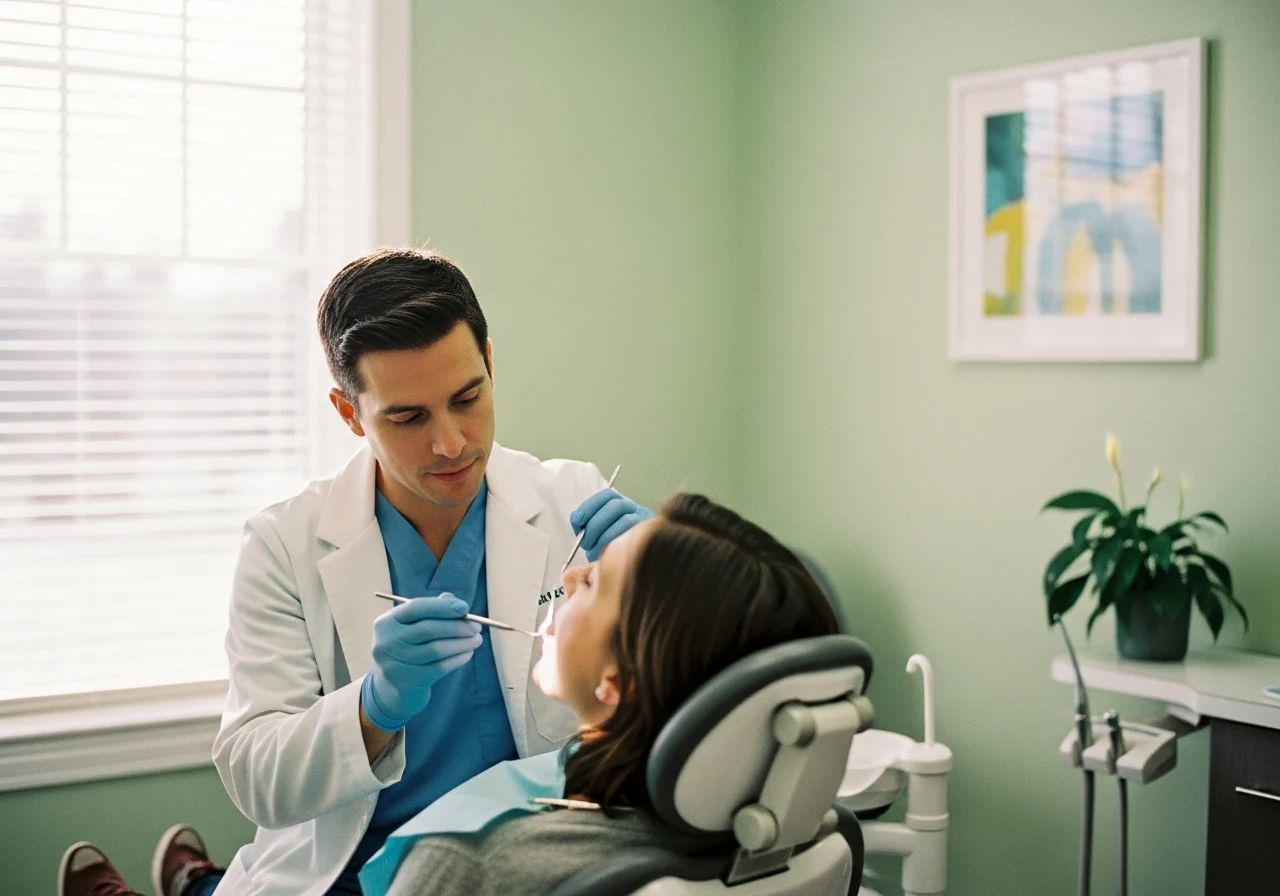
According to the Mayo Clinic, survival rates for oral cancer are significantly higher when the disease is caught early. This underscores the critical role of screenings as part of routine dental check-ups.
What Happens During an Oral Cancer Screening?
An oral cancer screening is a simple and quick procedure. Typically, it is performed during a regular dental check-up. The dentist will carefully examine your mouth for signs of cancerous or precancerous conditions. This involves looking for any abnormalities in the tissues, such as red or white patches, sores, or lumps.
The dentist may also palpate the tissues in your mouth to feel for any unusual growths or changes in texture. Some dentists use additional tools and technologies, such as special lights or dyes, to enhance the visibility of abnormal cells. These methods can help detect areas that are not easily visible to the naked eye.
Advanced Techniques in Oral Cancer Screening
While a visual and physical examination is the most common method of screening, some dental practices employ advanced technologies to improve detection rates. For instance, WebMD reports on the use of devices that utilize fluorescent light to highlight abnormal tissue, helping to identify cancerous cells.
Another technique involves the use of a special rinse that makes abnormal cells more visible under a particular light. These advanced methods are typically used in conjunction with the traditional examination to improve overall effectiveness.
Who Should Get an Oral Cancer Screening?
Oral cancer screenings are recommended for adults, particularly those with risk factors for the disease. The American Dental Association suggests that everyone should be screened for oral cancer at their regular dental visits. However, individuals with a history of tobacco use, heavy alcohol consumption, or those who have been exposed to HPV should be particularly vigilant about regular screenings.
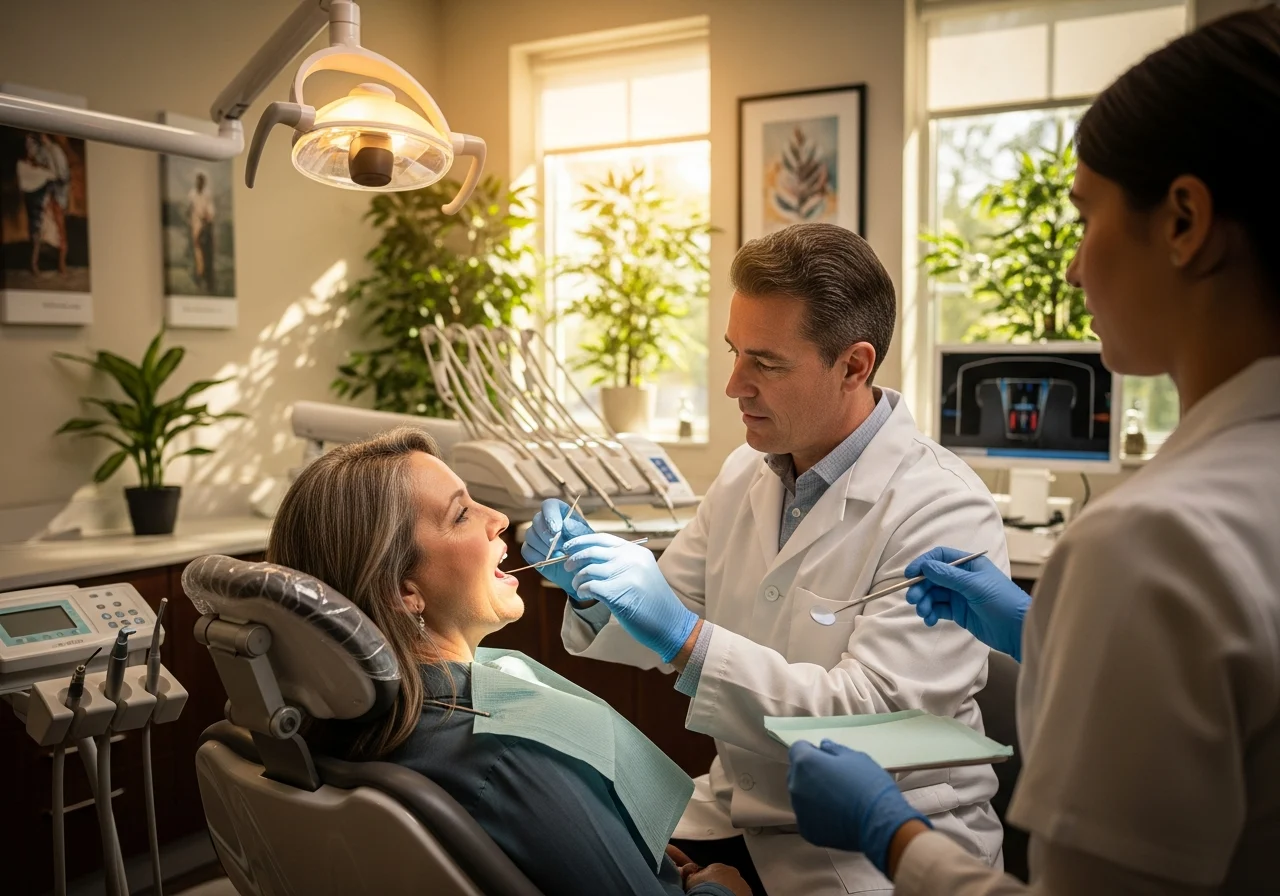
Even if you do not fall into a high-risk category, maintaining regular screenings is a proactive step in ensuring your overall health. Dental professionals can detect early signs of cancer that might otherwise go unnoticed until the condition becomes more advanced.
Frequency of Screenings
The frequency of oral cancer screenings can vary based on individual risk factors and the recommendations of your dentist. Generally, it is advisable to have a screening at least once a year. For those with higher risk factors, more frequent screenings might be recommended to ensure early detection of any changes.
The Role of Dentists in Preventive Care
Dentists play a crucial role in the early detection of oral cancer. They are often the first healthcare professionals to identify the signs of oral cancer, making their role in preventive care indispensable. Regular dental visits allow dentists to monitor changes in the mouth and provide timely intervention if abnormalities are detected.
In addition to performing screenings, dentists can educate patients on the risk factors and symptoms of oral cancer. They can also provide guidance on lifestyle changes that may reduce the risk, such as quitting smoking or reducing alcohol consumption.
Patient Education and Awareness
Raising awareness about the importance of oral cancer screenings is an essential aspect of preventive care. Patients who are informed about the risks and symptoms of oral cancer are more likely to seek screenings and follow through with recommended treatments. Dental professionals can provide valuable resources and support to increase patient awareness and encourage proactive health behaviors.

The Lifesaving Potential of Oral Cancer Screenings
Oral cancer screenings are a vital component of preventive dental care, offering the potential to save lives through early detection. By incorporating these screenings into routine dental visits, individuals can significantly reduce their risk of developing advanced-stage oral cancer. The process is simple, non-invasive, and can be performed quickly during a regular dental appointment.
Whether you are at high risk for oral cancer or not, regular screenings are an essential aspect of maintaining your oral and overall health. By understanding the importance of these screenings and actively participating in preventive care, you can take control of your health and ensure any potential issues are addressed as early as possible. For more detailed information, consider reviewing resources from reputable organizations like the Centers for Disease Control and Prevention and other healthcare institutions.
Overcoming Barriers to Regular Oral Cancer Screenings
Despite the clear benefits of oral cancer screenings, several barriers can prevent individuals from seeking this essential preventive care. Understanding and addressing these obstacles can enhance participation rates and improve health outcomes.
Common Barriers to Screening
One of the most significant barriers is a lack of awareness. Many people are simply unaware that oral cancer screenings exist or do not know their importance. This lack of knowledge can lead to neglecting regular dental check-ups where screenings are typically performed.

Another common barrier is fear or anxiety related to dental visits. Dental anxiety can prevent individuals from scheduling regular check-ups, thereby missing the opportunity for screenings. Financial concerns also play a role, as some people may worry about the costs associated with dental care, even though screenings are often covered by dental insurance plans.
Strategies to Improve Screening Rates
To overcome these barriers, dental professionals and healthcare providers must work together to increase awareness and education around oral cancer screenings. Public health campaigns can highlight the importance of early detection and encourage individuals to prioritize regular dental visits.
Additionally, dental offices can implement strategies to make screenings more accessible and less intimidating. This might include offering flexible appointment times, creating a welcoming and calming office environment, and providing clear information about the screening process and costs. By addressing these barriers, more individuals will be empowered to take advantage of this critical preventive service.
Innovations in Oral Cancer Screening
As technology advances, so too do the methods for screening and detecting oral cancer. Innovations in this field are helping to improve the accuracy and efficiency of screenings, making early detection more attainable.
Technological Advancements
Recent advancements in imaging technology and biomarker analysis have opened new avenues for oral cancer detection. Researchers are exploring the use of saliva tests to identify biomarkers associated with oral cancer, providing a non-invasive screening option that could be easily administered in a dental office.
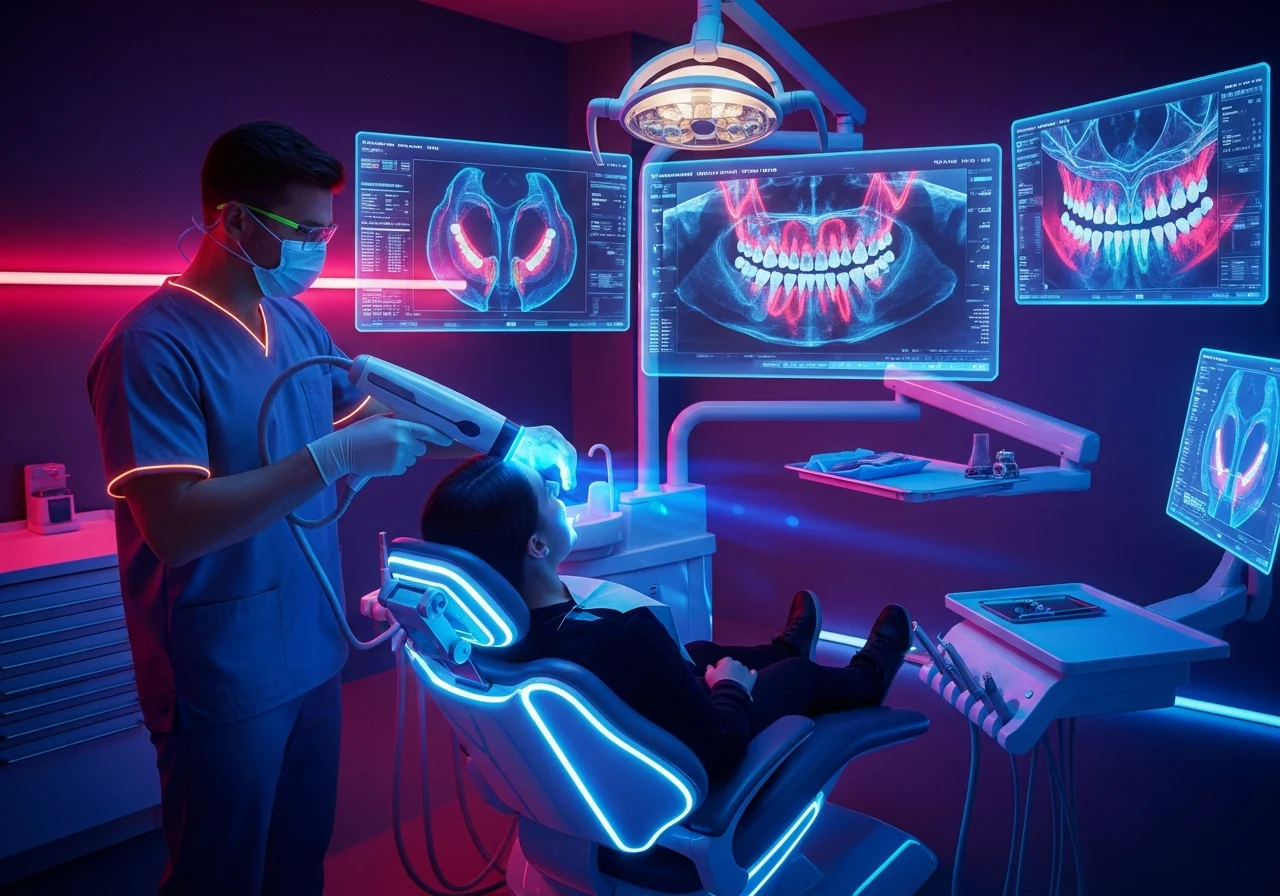
Furthermore, advancements in artificial intelligence are enhancing the ability of dental professionals to analyze imaging results and identify suspicious areas. AI-powered tools can assist in diagnosing abnormalities with high precision, supporting dentists in making informed decisions about further testing or referrals.
These innovations not only improve the effectiveness of screenings but also make the process more accessible and less burdensome for patients. As technology continues to evolve, it holds the promise of even more significant improvements in oral cancer detection and prevention.
Final Thoughts on Oral Cancer Screenings
Oral cancer screenings are an essential part of preventive dental care, offering a lifeline through early detection. For those at risk or concerned about their oral health, understanding what to expect during a screening and recognizing its importance can motivate individuals to seek regular check-ups.
By addressing barriers to care and embracing new technologies, the dental community can ensure that more people receive the screenings they need. The ultimate goal is to reduce the incidence of advanced-stage oral cancer and improve survival rates through timely intervention and comprehensive care.
For anyone considering an oral cancer screening or looking to learn more about their oral health, it is advisable to speak with a dental professional. Contact Valdosta Family Dentistry to learn more.