
When it comes to preventing cavities, good brushing and flossing habits are only part of the equation. The chewing surfaces of your back teeth contain tiny pits and grooves that can trap food particles and bacteria, making them more difficult to keep clean. Dental sealants provide an added layer of protection by sealing these vulnerable areas before decay has a chance to develop.
Although dental sealants are often associated with children, they may also benefit teenagers and some adults. At Valdosta Family Dental, we believe preventive care should be personalized rather than based on age alone. During routine dental visits, our team evaluates your oral health, discusses your cavity risk, and recommends preventive treatments that support your long-term smile.
What Are Dental Sealants?
Dental sealants are thin, protective coatings that are applied to the chewing surfaces of the back teeth, where cavities are most likely to form. Once the sealant bonds to the tooth, it creates a smooth barrier that helps keep food debris and bacteria out of the deep grooves that can be difficult to clean with a toothbrush.
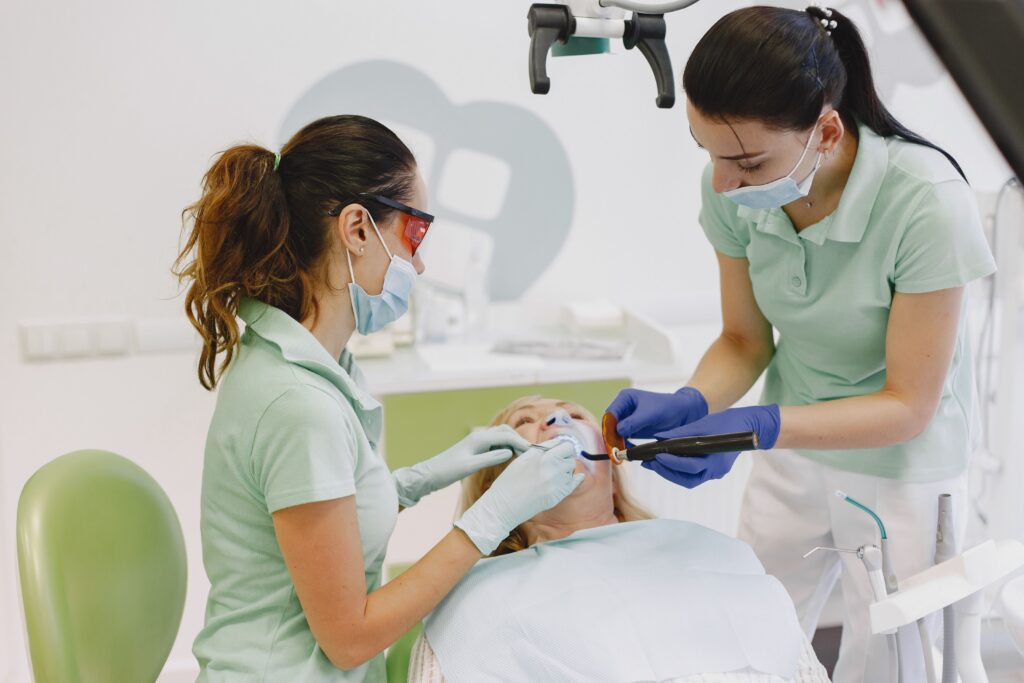
The application process is quick, comfortable, and non-invasive. After the tooth is cleaned and prepared, the sealant material is painted onto the surface and hardened with a special curing light. The result is additional protection against cavities without changing the way your teeth look or function.
Dental sealants work best as part of a complete preventive care routine that includes daily brushing and flossing, regular dental hygiene appointments, and ongoing oral health evaluations.
Why Are Children the Most Common Candidates?
Children are often the first patients dentists recommend for dental sealants because their newly erupted permanent molars are especially vulnerable to cavities.
The first permanent molars usually appear around age six, followed by the second permanent molars around age twelve. These teeth have naturally deep grooves that can be difficult for children to clean thoroughly while they are still developing good oral hygiene habits.
Dental sealants may be recommended for children who:
- Have newly erupted permanent molars
- Have deep grooves in their back teeth
- Have experienced cavities in the past
- Frequently eat sugary snacks or beverages
- Need extra protection while improving their brushing habits
Applying sealants early can help protect permanent teeth during the years when children are at greater risk for tooth decay.
Patients who receive regular dental hygiene visits are often evaluated for preventive treatments like sealants as part of their personalized care plan.
Teenagers Can Continue to Benefit From Dental Sealants
Sealants are not only beneficial when permanent molars first erupt. Teenagers who never received sealants as children or whose molars remain healthy may still benefit from treatment.
As teenagers become more independent, busy schedules, sports, and changing eating habits can sometimes make consistent oral hygiene more challenging. Dental sealants provide an extra level of protection during these important years while helping preserve healthy natural teeth.
During routine preventive visits, your dentist can evaluate whether existing sealants remain intact or whether additional protection may be appropriate.
Adults May Also Be Good Candidates
Many adults are surprised to learn that dental sealants are not exclusively for children.
If an adult has healthy molars without significant fillings or decay, sealants may still provide protection against future cavities. Adults with deep grooves in their teeth or an increased risk for tooth decay may particularly benefit from discussing sealants with their dentist.
Factors that may influence whether sealants are appropriate include:
- A history of frequent cavities
- Deep grooves on healthy molars
- Difficulty cleaning certain teeth
- Increased cavity risk
- Overall oral health
Rather than recommending sealants for every adult, dentists evaluate each patient’s individual needs before determining whether they are an appropriate preventive option.
How Long Do Dental Sealants Last?
Dental sealants are durable but should be monitored during regular dental examinations. Many sealants continue protecting teeth for several years before they eventually wear down or require replacement.
During routine checkups, your dentist will examine the condition of your sealants to ensure they continue providing effective protection. If necessary, worn sealants can often be repaired or replaced.
Keeping up with regular dental hygiene appointments allows your dental team to monitor both your sealants and your overall oral health.
Dental Sealants Are Part of a Complete Preventive Care Plan
While dental sealants are highly effective at protecting the chewing surfaces of certain teeth, they are only one part of maintaining a healthy smile.
Good preventive care also includes:
- Brushing twice a day with fluoride toothpaste
- Flossing every day
- Eating a balanced diet
- Limiting sugary foods and beverages
- Scheduling regular dental hygiene visits
- Receiving personalized preventive recommendations from your dentist
Together, these habits help reduce the risk of cavities and support long-term oral health.
Protect Your Smile With Personalized Preventive Care
Dental sealants can be an excellent preventive treatment for many children, teenagers, and some adults, but they’re not automatically recommended for everyone. At Valdosta Family Dental, every preventive care recommendation is based on your individual oral health, cavity risk, and long-term goals.
Whether you’re bringing your child in for a routine visit or wondering if sealants could benefit you, our team is committed to providing personalized care and helping you make informed decisions about your oral health.
If you’re interested in learning whether dental sealants are right for you or your family, schedule an appointment with Valdosta Family Dental today.
Frequently Asked Questions
Are dental sealants only for children?
No. While dental sealants are most commonly recommended for children when their permanent molars erupt, teenagers and some adults may also benefit. Your dentist will recommend sealants based on your individual cavity risk and oral health rather than your age.
How long do dental sealants last?
Dental sealants often last several years with proper care. During your routine dental exams, your dentist will check your sealants to ensure they remain intact and recommend repair or replacement if necessary.
Do dental sealants replace brushing and flossing?
No. Dental sealants are an added layer of protection, not a replacement for good oral hygiene. Brushing twice a day, flossing daily, eating a balanced diet, and attending regular dental visits remain essential for preventing cavities.
Can adults get dental sealants?
Yes. Some adults with healthy molars that have deep grooves or are at increased risk for cavities may benefit from dental sealants. Your dentist can determine whether sealants are appropriate during a comprehensive evaluation.
How do I know if my child needs dental sealants?
Your dentist will examine your child’s teeth during routine preventive visits and evaluate factors such as age, cavity history, tooth anatomy, and overall oral health. If sealants are appropriate, they may be recommended as part of your child’s personalized preventive care plan.