
Hearing that you may need a tooth extraction can feel overwhelming. Many patients immediately wonder whether the tooth can be saved or if removing it is truly necessary.
The good news is that dentists always aim to preserve natural teeth whenever possible. In many situations, treatments such as root canal therapy, dental crowns, or other restorative procedures may successfully protect a damaged tooth. However, there are times when a tooth extraction is the healthiest option for protecting your smile and preventing additional oral health concerns.
Understanding why a tooth extraction may be recommended can help you feel more informed and confident if your dentist discusses this treatment with you.
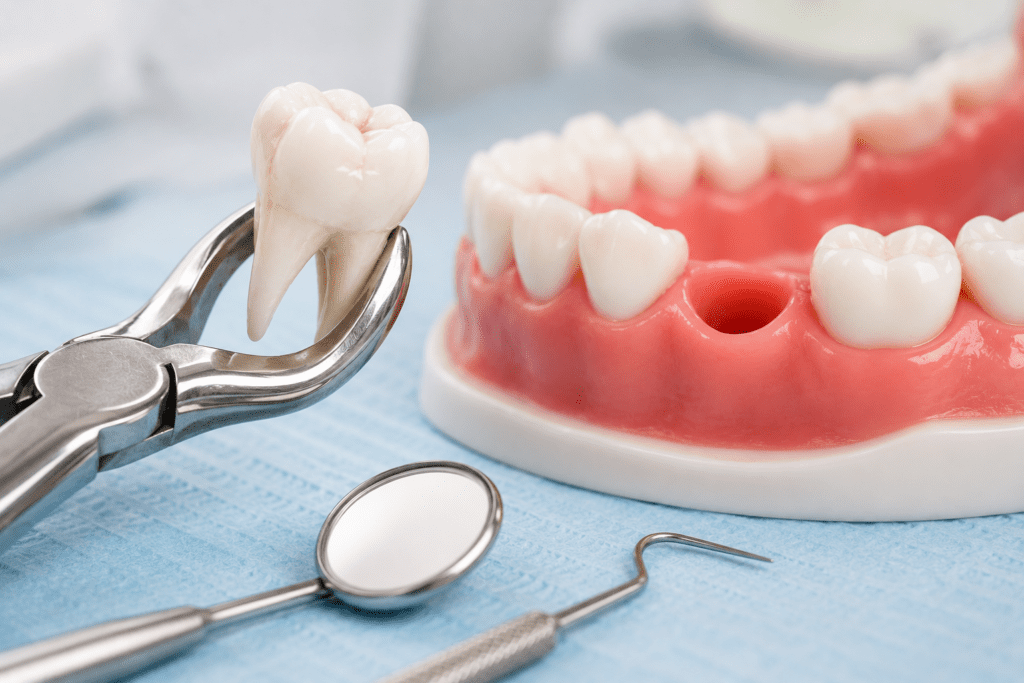
Preserving Natural Teeth Is Always the First Goal
Modern dentistry focuses on saving natural teeth whenever it is practical and beneficial for the patient.
Depending on the condition of the tooth, your dentist may recommend treatments that restore strength, relieve discomfort, or prevent additional damage before considering removal. Every recommendation is based on your oral health, symptoms, and long-term treatment goals.
When a tooth cannot be predictably restored, removing it may help protect neighboring teeth, reduce the risk of future complications, and support your overall oral health.
Severe Tooth Decay
One of the most common reasons a tooth extraction may be recommended is extensive tooth decay.
When decay is identified early, it can often be treated with cosmetic fillings or a dental crown. However, if too much healthy tooth structure has been lost, restoring the tooth may no longer be a predictable long-term solution.
Your dentist will carefully evaluate the extent of the damage before recommending whether the tooth can be restored or whether extraction is the healthier option.
Advanced Gum Disease
Healthy gums provide the support that keeps teeth stable.
As gum disease progresses, the tissues and bone surrounding a tooth may become damaged. In severe cases, teeth can become loose because they no longer have enough healthy support.
Although periodontal treatment may help manage gum disease, there are situations where removing a severely affected tooth helps protect surrounding teeth and prepares the mouth for future restorative treatment if needed.
A Tooth Is Broken Beyond Repair
Not every cracked or broken tooth needs to be removed.
Many damaged teeth can be restored using dental crowns or other restorative treatments. However, when a fracture extends below the gumline or affects too much of the remaining tooth, restoring it may no longer be possible.
After evaluating the location and severity of the fracture, your dentist will recommend the treatment that offers the best long-term outcome.
Impacted or Problematic Wisdom Teeth
Wisdom teeth do not always have enough room to grow properly.
Some remain trapped beneath the gums, while others erupt at an angle that places pressure on neighboring teeth or creates areas that are difficult to keep clean.
When wisdom teeth increase the risk of pain, infection, or damage to surrounding teeth, wisdom teeth removal may be recommended as part of a personalized treatment plan.
Dental Trauma
Accidents can happen unexpectedly.
Sports injuries, falls, or other accidents may cause teeth to crack, loosen, or break. While many traumatic dental injuries can be treated successfully, severe damage may occasionally make extraction the most appropriate option.
Prompt evaluation allows your dentist to determine whether the tooth can be saved or whether another treatment would better protect your long-term oral health.
Preparing for Orthodontic or Restorative Treatment
Sometimes, a tooth extraction is recommended as part of a larger treatment plan rather than because the tooth is unhealthy.
For example, removing a tooth may create the space needed for certain orthodontic treatments or prepare the mouth for future dental implants or other restorative solutions when a tooth cannot be preserved. Your dentist will explain why the extraction is being recommended and how it supports your overall treatment goals.
What Happens During a Tooth Extraction Consultation?
If your dentist believes a tooth extraction may be appropriate, the first step is a thorough evaluation.
During your appointment, your dentist will review your symptoms, examine your teeth and gums, and discuss any diagnostic images that may help determine the condition of the tooth. Your overall oral health, treatment goals, and available options will all be considered before a recommendation is made.
This conversation is also an opportunity to ask questions and better understand the benefits, risks, and expected next steps for your care.
What Happens After a Tooth Extraction?
Healing looks different for every patient, and your dentist will provide instructions based on your specific treatment.
Depending on your situation, the next step may simply be allowing the area to heal. In other cases, replacing the missing tooth may be recommended to help restore chewing function, maintain alignment, and support long-term oral health.
Treatment options may include dental implants, bridges, or dentures, depending on your individual needs and goals. Your dentist will explain which option is most appropriate after evaluating your oral health.
Don’t Ignore Ongoing Tooth Pain
Persistent tooth pain should never be ignored, even if it comes and goes.
Although pain does not always mean a tooth needs to be removed, it often signals that something requires professional attention. Scheduling an evaluation early may allow your dentist to identify the cause and recommend the most conservative treatment possible.
If an extraction is necessary, understanding why it is recommended can help you make an informed decision about your care.
Conclusion
A tooth extraction is never recommended without careful consideration. Whenever possible, your dentist will look for ways to preserve your natural teeth through restorative treatment. However, when a tooth cannot be predictably saved, removing it may be the best way to protect your long-term oral health.
If you are experiencing persistent tooth pain, have a damaged tooth, or have questions about whether a tooth extraction may be appropriate, contact Valdosta Family Dental to schedule an evaluation. Our team is committed to providing personalized recommendations and helping you make informed decisions about your oral health.
Frequently Asked Questions
Is a tooth extraction always the first treatment option?
No. Dentists generally try to preserve natural teeth whenever possible. A tooth extraction is typically recommended only when other treatment options are unlikely to provide a predictable long-term result.
Can a badly damaged tooth still be saved?
It depends on the extent of the damage. Some teeth can be restored with treatments such as root canal therapy or a dental crown, while others may need to be removed if they cannot be successfully repaired.
What happens after a tooth extraction?
Your dentist will provide instructions to support healing and discuss whether replacing the missing tooth is recommended. Depending on your needs, options may include dental implants, bridges, or dentures.
Will I always need to replace an extracted tooth?
Not always. The recommendation depends on which tooth was removed, your bite, your oral health, and your long-term treatment goals.
When should I schedule an evaluation?
If you have ongoing tooth pain, a broken tooth, swelling, or other concerning symptoms, it is best to schedule an appointment so your dentist can determine the cause and recommend appropriate treatment.